Professional Driving Lessons Available Across Your Area — Book Now →

Save up to £1250 on learner driver car insurance with a free quote today.

4.9
FOR NEWLY LICENSED UK DRIVERS

Tips to stay safe after passing the driving test.


Have you said, “I passed my driving test”, and now you’re wondering what you should do to feel road ready?

Have you passed your driving licence test in the UK after reading my tips to pass the driving test and now need help staying safe on the road?

Or did you get driving test insurance but need an insurance plan because you’re a licensed driver?

If not, you should claim your free driver test checklist. It will give you step-by-step actionable items so you’re ready to get your provisional licence in two weeks or less.

What could happen after passing the driving test?

What could happen after passing the driving test?

Many things can happen to you as a newly licensed driver. For starters, you could not have the right type of insurance.

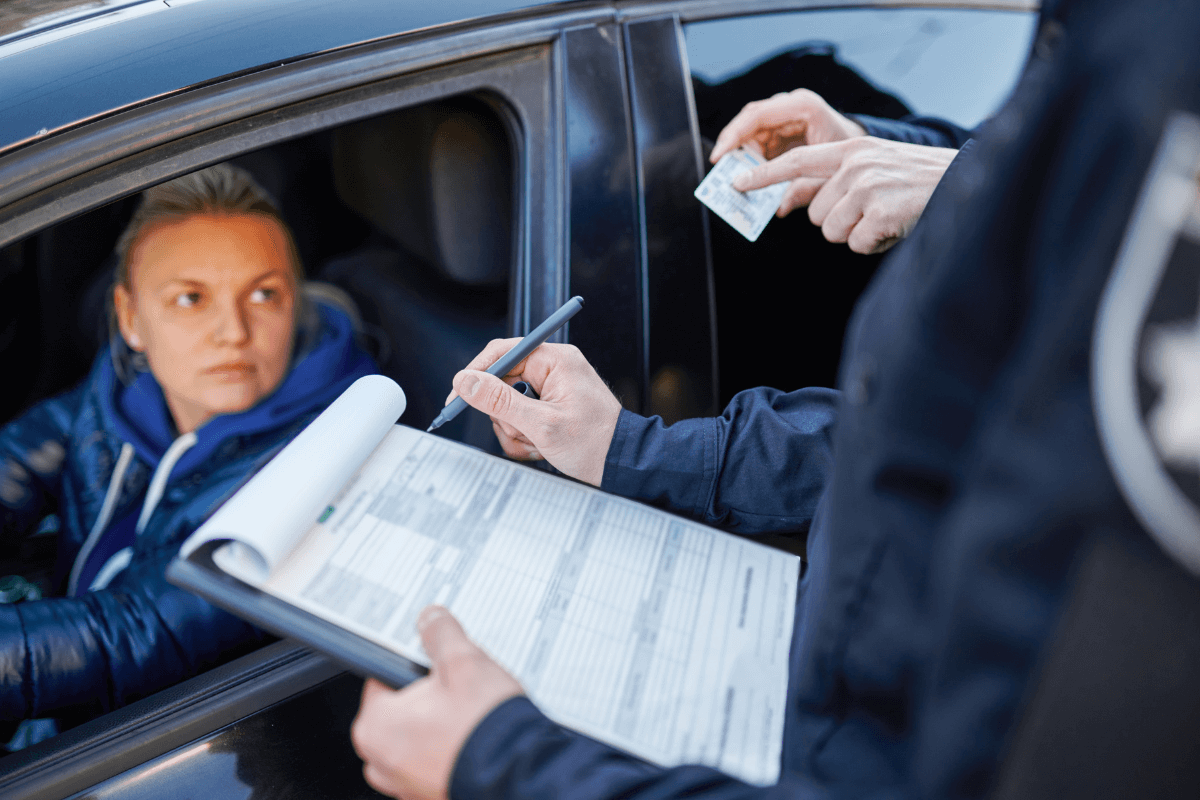
If that happens and a police officer stops you, you could receive a penalty of six points on your driving license and a fine of £300. But it gets worse because you could be disqualified from driving if the case goes to court.

Save on insurance

It’s rare this could happen, but isn’t peace of mind better than taking a risk? Did you know that your existing driving test insurance is not valid after passing your exam? So, you need to get a new driver policy before you can travel freely without a parent or licensed driver in the car.

And now you may be wondering, “but isn’t car insurance really expensive?” Yes and no.

Most drivers in the UK overpay on car insurance by as much as £348 per annum. That’s because they don’t know where to look for insurance that’s both reliable and affordable. But, luckily you’ve found my school, and my goal is to help all drivers in the UK pass the theory and practical test the first time and help them save money.

Considering the state of the UK economy, we’re all pinched for cash. So, if you want to reduce your insurance cost by up to 43.5%, I have a tool to help you do it.

£348 Average yearly savings
43.5% Off your premium
5 min To get your quote

And the best part of the tool is it only takes 5 minutes of your time, and you can save not £100, £200 or even £300 per annum. But up to £348 per annum on a new driver insurance policy – that’s £29 per month in your pocket.

Get my free insurance quote

You’ll immediately see quotes from the best insurance providers across the UK at unbeatable prices.

Not got your licence yet?

Enter your details to get a comprehensive guide that’ll show you how to get your driver licence in less time. Avoid the common traps people fall into.

YOUR ROAD TO INDEPENDENCE

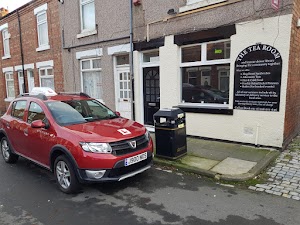
So it’s best to start on the right foot and pass MOT first. I’ve made this easy for you. You only need to click the link below to tax your vehicle if your car has a valid, in-date MOT. If it doesn’t, take it to your local garage and get it done, and you can follow the instructions on the .gov website. Then, your car will be road ready, and you’ll protect yourself against any unwanted fines.

After MOT you need to tax your car. If not, it could be wheel-clamped and you’ll be left on the side of the road.

Register your car and pay tax before driving.

Tax your vehicle now

Eight things every new driver must sort.

01

Get proper new-driver insurance — fast

Your learner insurance ends the moment you pass. If a police officer pulls you over without a new policy in place, you’re looking at six penalty points and a £300 fine — and possible disqualification if it reaches court.

Most UK drivers overpay by up to £348 per year. Five minutes on the right comparison tool can cut your premium by 43.5% — that’s £29 back in your pocket every month.

02

Sort the MOT and road tax

No insurer will cover a car without a valid MOT — the DVSA’s legal minimum for road safety. Drive without one and you risk fines up to £1,000, possible court, and an instantly invalid insurance policy.

If your MOT is in date, tax the car on GOV.UK. If it isn’t, take it to your local garage first. Otherwise it could be wheel-clamped before you’ve left the street.

03

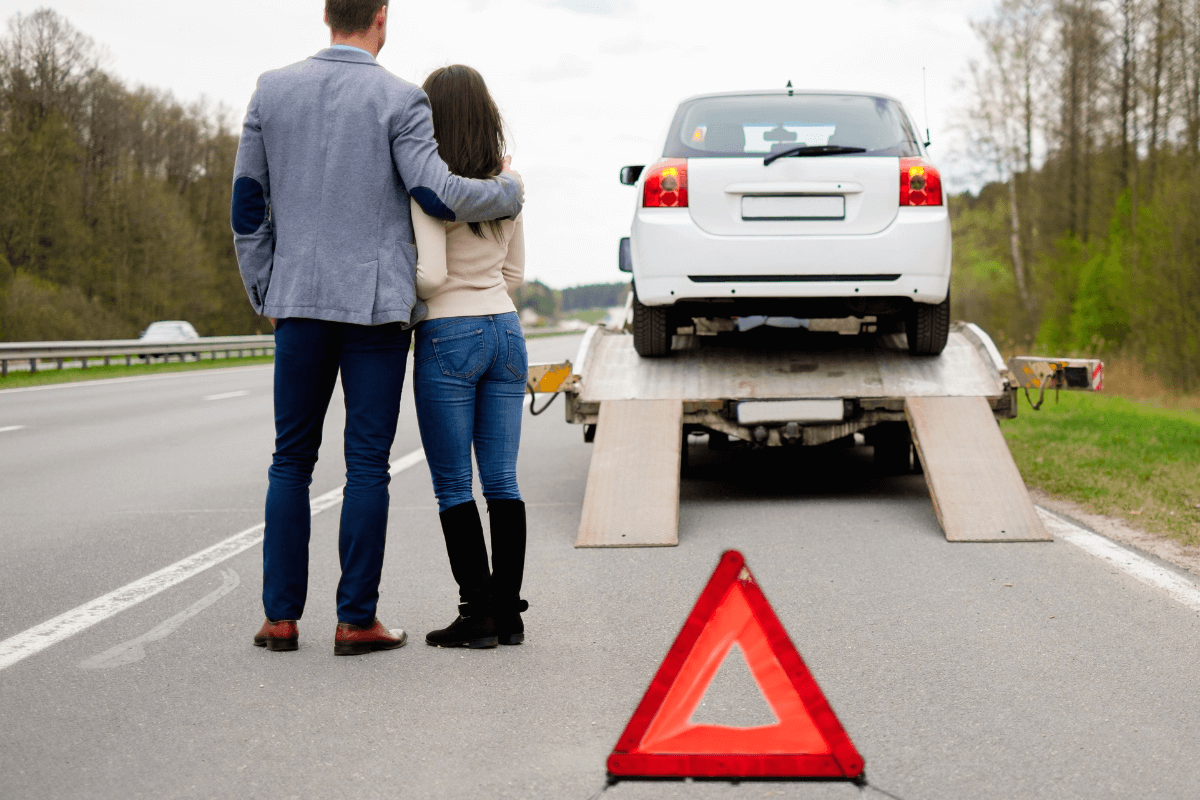
Add breakdown cover before driving alone

A single locksmith call-out can cost £75. A full year of breakdown cover costs roughly the same — and a roadside recovery without it can easily run £275+.

One of my students, Ellie, stalled in the middle of a roundabout 40 miles from home. Her cover got the car towed back free. Plans start from £5.25 a month.

04

Fit a dash cam — the cheapest insurance there is

If someone hits you and lies, you pay the excess and your premium jumps. A dash cam ends that argument before it starts and can save up to 15% on your premium — nearly £100 a year on a £600 policy.

The Minieye C2L 4K gives you front and rear in one box at the price of most single-channel cams.

05

Don't rely on your phone — get a sat nav

Phone GPS dies when the battery dies. A wired sat nav doesn’t. There’s a reason 80% of UK practical tests use the TomTom Start 52 — faster GPS, clearer directions, screen right on the dashboard.

Bonus: many insurers reduce premiums further when a GPS is fitted because recovery rates after theft jump significantly.

06

Carry a tyre pump and tread gauge

Seven tyres are punctured every second in the UK. A portable WindGallop inflator costs less than a Pizza Express meal and gets you to a garage without a 90-minute wait. Built-in digital pressure gauge and LED torch included.

Pair it with a £5 tread depth gauge from Halfords — below the legal 1.6mm and you risk a fine, points, and serious understeer in the wet.

07

Keep a warning triangle in the boot

Break down on a dual carriageway and cars approach at 60–70 mph without looking for you. A reflective triangle placed 45 metres behind your car gives them time to slow down.

Since July 2006, all UK motor cars are legally required to carry at least one. Safety and the law — sorted in one cheap purchase.

08

Pack a first aid kit

Out of sight, out of mind — until the day you need it. A basic kit handles cuts, burns, trapped fingers, and bridges the gap before help arrives.

Indispensable now that you and your friends will be travelling to new places on your full licence.

Are you ready to drive without safety gear?

A lot of people get in the car and go. But what if you have a flat tyre and must wait on the roadside for help to arrive?

A reflective warning triangle placed about 45 metres behind your car gives approaching traffic time to slow down. Since 1 July 2006, all UK motor cars are legally required to carry at least one.

FIRST 30 DAYS AFTER PASSING

Your first-month road-ready plan

The first month after passing is where good habits form. Use this plan to stay legal, stay calm, and avoid expensive beginner mistakes.

Week 1: Legal basics

Sort insurance, check V5C details, confirm MOT/tax status, and keep important documents easy to find.

Week 2: Car health

Check tyres, lights, fluids, screen wash, battery condition, and warning lights before longer drives.

Week 3: Confidence routes

Drive familiar routes first, then add busier roads, night drives, and parking practice gradually.

Week 4: Emergency prep

Add a warning triangle, hi-vis, first aid kit, tyre inflator, torch, phone cable, and breakdown details.

Documents and admin to sort early

Passing the practical test is not the end of the admin. Make sure your licence details, insurance, car tax, MOT and breakdown cover are all correct before you start driving alone regularly.

Keep digital copies of policy numbers and emergency contacts, but do not rely only on your phone battery. A small folder in the glove box can save stress if something goes wrong.

Licence details

Check your name and address are correct when your full licence arrives.

Insurance and excess

Know who is covered, when cover starts, and what excess applies.

MOT, tax and renewal dates

Add reminders now so nothing expires quietly in the background.

NEW DRIVER MISTAKES TO AVOID

Six habits that keep your licence safe

Small decisions matter when you are newly licensed. These habits help reduce risk, protect your no-claims bonus, and keep your confidence steady.

Phone out of reach

Set navigation and music before moving. Do not touch the phone while driving.

Speed discipline

Keep extra space, scan signs early, and do not let other drivers rush you.

Weather awareness

Rain, glare, fog and darkness all need more space and smoother control.

Passenger pressure

Do not let friends distract you or push you into risky decisions.

Fuel and range checks

Do not run close to empty. Plan fuel stops before unfamiliar routes.

Night driving practice

Start with short evening routes before longer night journeys.

After passing the driving test, these items will keep you safe and road ready.

Although you may opt not to purchase the items I’ve listed, I have recommended them because of my experiences working with hundreds of learner drivers. After working with people who have passed their tests and received a licence, the things listed here have helped them.

I hope they can help you too. When you have everything listed here, you will feel safer and have greater peace of mind.

It’s better to be safe than sorry. Right?

Insurance excess

Know what you would pay if you had to claim.

Maintenance fund

Put money aside for tyres, brakes, bulbs and servicing.

Renewal reminders

Track insurance, MOT, tax and breakdown cover dates.

Good luck, and congratulations on your new licence!

You’ve worked hard for this. Drive safe, stay legal, and enjoy the freedom.

Book Lesson Call Now
Share This